


By Aluf Benn – The Guardian:
Within Israel, Iran is seen as the ultimate threat. The prime minister knows this is his chance to rewrite his bloodied legacy
“It’s 1938 and Iran is Germany … The Jewish people will not allow a second Holocaust.” Israel’s prime minister, Benjamin Netanyahu, recited slogans like these incessantly for decades, urging action against the gravest threat to the Jewish state – a nuclear-armed Iran. He conveyed the message to successive US presidents. He presented a bomb cartoon at the UN. At countless Holocaust memorial events he described Iran’s nuclear ambitions as the present-day “final solution”.
Netanyahu talked and talked about the pressing Iranian threat, but his listeners were not convinced. They dismissed him as an alarmist whose deadline Iran crossed year after year without deploying a nuclear weapon (it still hasn’t). Netanyahu’s critics at home taunted him as a chicken who would never dare to attack Iran’s nuclear installations – unlike his more decisive predecessors, who had ordered the bombing of nuclear reactors in Iraq and Syria.
Everything changed on Friday 13 June.
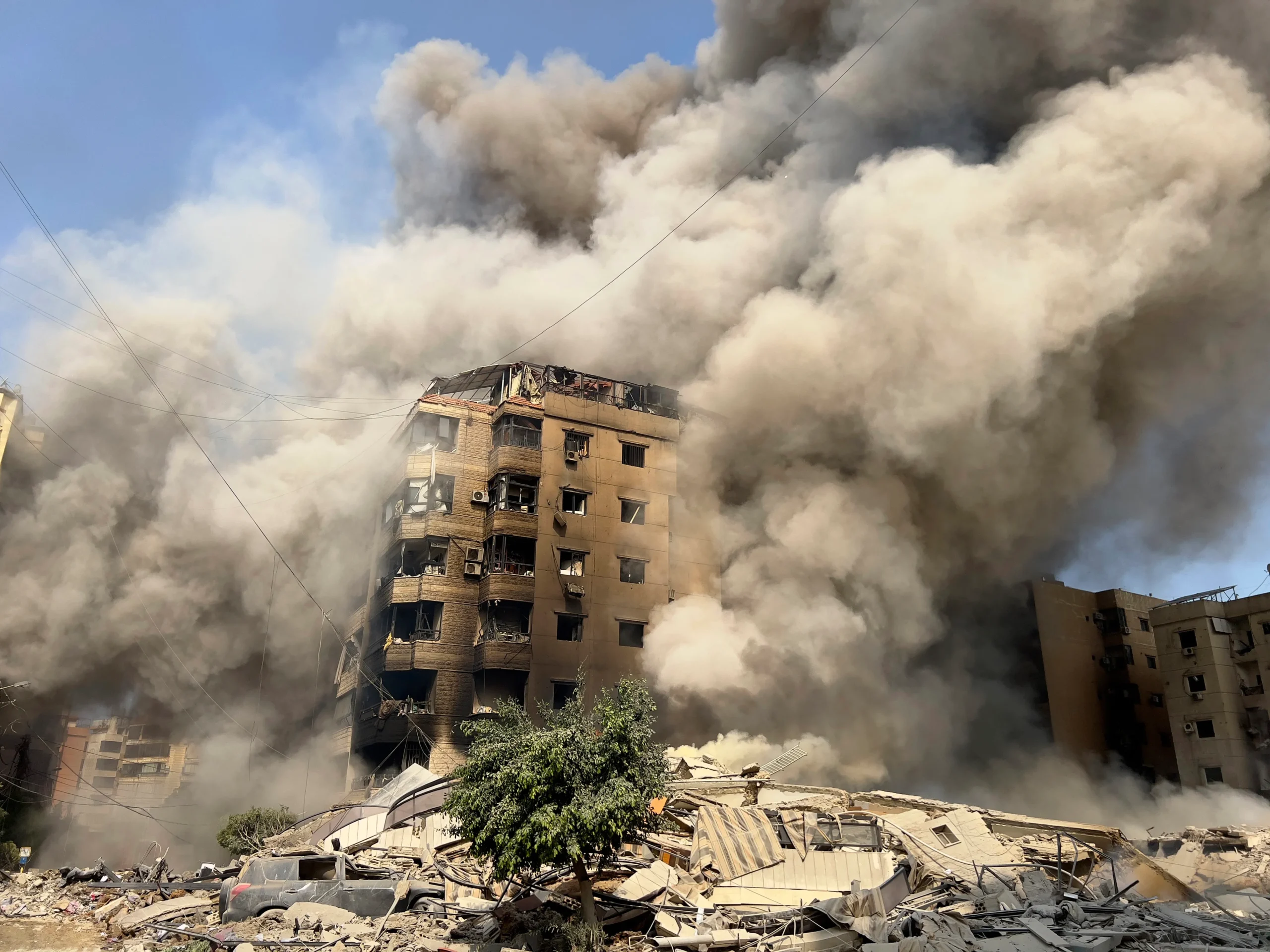
At 3am local time, Israelis were woken by an urgent alert from the Home Front Command, ordering us to stay near our safe rooms or bomb shelters. Shortly after, an official announcement told us that Israel had attacked Iran’s nuclear plants and air defences, and assassinated its top military brass and nuclear scientists. When the night came, a barrage of Iranian missiles hit Tel Aviv and its outskirts. The exchanges of bombs, drones and missiles have continued ever since, causing more than 260 civilian deaths in Iran and 24 in Israel, and inflicting considerable damage.
To Netanyahu and his followers, 13 June is the big vindication. An opportunity to rewrite his legacy, which has been marred by his failure to prevent the disaster of 7 October 2023, when Hamas attacked Israel, killing about 1,200 and kidnapping 250 hostages to Gaza, and igniting a devastating war that is still going on. The prime minister ignored warnings of imminent war while pushing autocracy, then blamed the security services, spreading excuses and conspiracy theories only his diehard supporters believed.
The ensuing Gaza war did little to boost Netanyahu’s leadership credentials. Even after Israel had killed more than 55,000 Palestinians it failed to achieve the “ultimate victory” pledged by the prime minister. Hamas, however decimated, is still in charge, and 53 Israeli hostages – 20 of them believed to be alive – are still in captivity. To many around the world, Netanyahu’s name is synonymous with mass murder. Even in Israel, anti-war sentiment began to rise after he broke a fragile ceasefire on 18 March.
Attacking Iran, however, is far more consensual in Israel. A poll by the Israel Democracy Institute released on Thursday showed 82% of Jewish respondents – including 57% who consider themselves leftwing – support the decision to attack Iran. Among Arab respondents, 11% support and 65% oppose striking Iran.
To Israelis, Iran is the ultimate, scariest enemy. Since the revolution in 1979, it has been preaching the destruction of the “Zionist regime”. Over the years it built and armed a “ring of fire” around Israel, led by the Lebanese Hezbollah and its arsenal of rockets and missiles. In recent years, Iran and its allies contemplated a plan to destroy Israel through a combination of cross-border invasion and pinpoint missile attacks. But on 7 October Hamas acted alone, enabling Israel to regroup and hit its enemies one by one.
Last autumn, the “ring of fire” collapsed. Israel defeated Hezbollah and killed its leader, Sayyed Hassan Nasrallah, took out Iran’s key air defences, and watched the Syrian Assad regime, Iran’s oldest regional ally, collapse overnight. Tehran’s skies were now open to Israeli bombers, just like Gaza’s, and rising voices called on Netanyahu to fulfil his lifelong mission and attack Iran – including the former prime minister Naftali Bennett, his apparent rival in the next election.
Military opportunity notwithstanding, the turning point in Israel’s war planning was Donald Trump’s second coming to the White House. Netanyahu believed he could extract an unprecedented green light to hit the uranium-enrichment and missile plants in Iran. Israel’s military top brass was reluctant to act without the US consent that had never arrived. With Trump back in office, Netanyahu overcame his doubts. The Americans were aware of the war preparations in Israel. But Trump had bad news for Netanyahu. He opted for negotiating a new nuclear deal with Iran, seven years after he had ditched Barack Obama’s agreement under Netanyahu’s prodding. The Israeli leader postponed the operation, only to launch it when Trump’s 60-day deadline to Tehran expired. From Netanyahu’s perspective, Trump’s support for the attack – however lukewarm at first – has been the peak diplomatic achievement of his career.
To many Israelis, the successful first strike echoed Israel’s greatest military victory, the six-day war of 1967. American analysts were quick to declare Israel the new regional hegemon. Even as millions of Israelis were running to their shelters several times a day, Netanyahu and the IDF leadership exuded euphoria, all but eager to erase their 7 October disaster and the Gaza quicksand. They raised high expectations for direct US intervention – needed to destroy Iran’s underground nuclear plant – and for regime change in Tehran, threatening the assassination of Iran’s supreme leader, Ayatollah Ali Khamenei.
But Netanyahu, who was drafted to IDF special forces shortly after the six-day war, should have known the dire lessons of 1967: bragging leads to complacency, which leads to disaster – as happened in 1973, when Egypt and Syria fought back. Brilliant tactical moves are no guarantee for victory, as they morph into mission creep and indecisive attrition. Israel’s success in rolling back Iran’s nuclear programme is still unclear, but conducting a “war of cities” between Tehran and Tel Aviv will be clearly devastating.
The first days of his Iranian campaign brought Netanyahu a moment of relief from his political troubles. His corruption trial, where he is facing cross-examination, is postponed. Opposition leaders applauded his decision to attack Iran. And the 7 October reruns and stories about the hostages, constant reminders of Netanyahu’s failure, are off primetime television.
Yet true to form, Netanyahu is showing no interest in reconciliation with his real or imaginary rivals. On the contrary, he appears to view his new heroic credentials as a means to double down on his race to turn Israel into a theocratic autocracy, a Hebrew-speaking version of Iran. His critics were hardly surprised when, visiting a bombed hospital in Beersheba, he spoke of his family paying the “cost” of war, having had to postpone his younger son’s wedding. To them it was another example of his condescending detachment from the plight of ordinary Israelis. His critics dismiss the decision to attack Iran as politically motivated and careless. They are a minority, according to a Channel 13 poll released on Wednesday, in which 64% of respondents believed that Netanyahu truly wants to rid Israel of Iran’s nukes and missiles, and only 28% attributed political motives to his war decision. But their support for the destruction of Natanz and Fordow, and even of getting rid of Iran’s rulers, was not translated to an intention to vote for the current coalition, which remains unpopular.
